
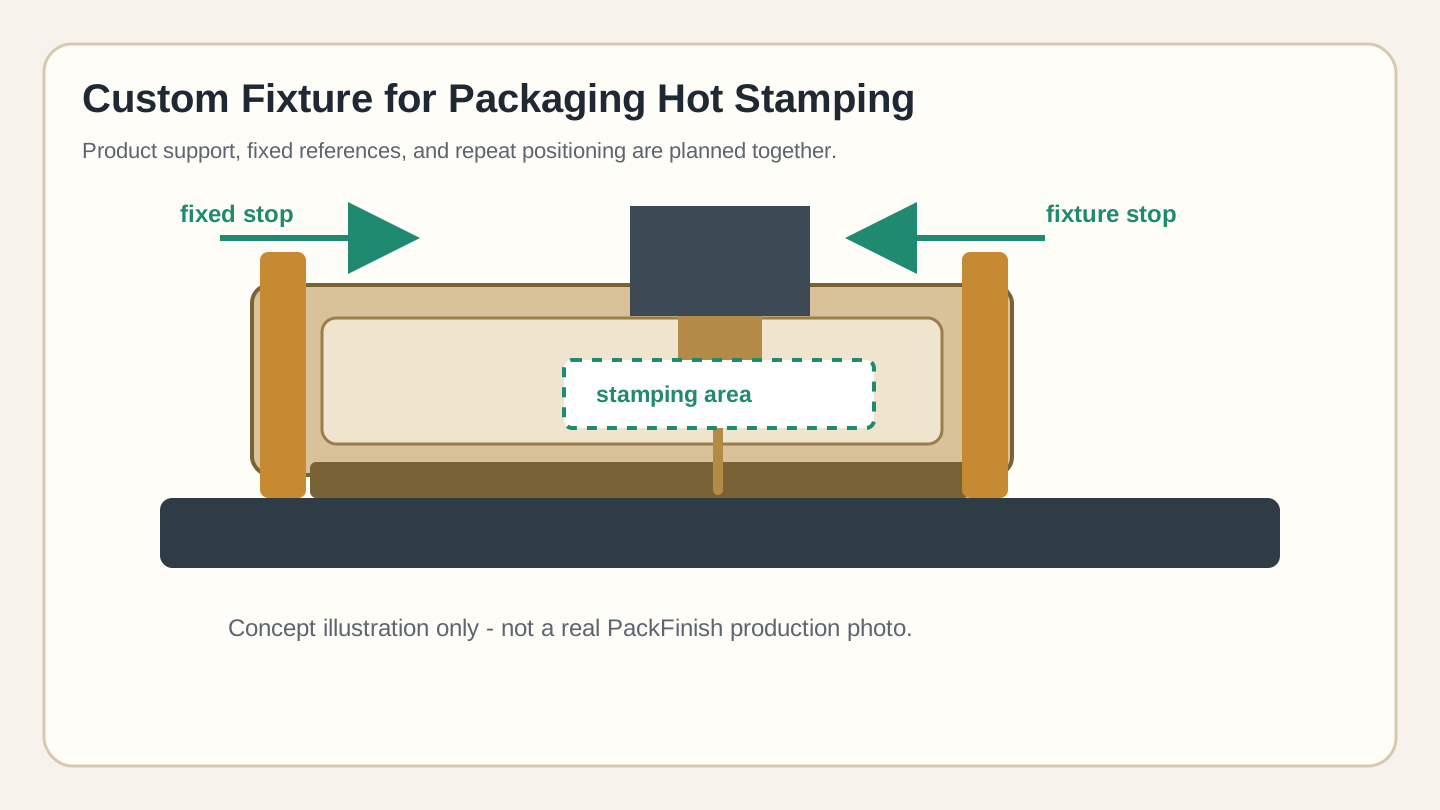
A packaging hot stamping machine can only produce stable results when the product is held in a repeatable position. Many foil stamping problems that look like “machine problems” are actually positioning problems: the product is not placed in the same location, the stamping face is not supported evenly, or the operator has to adjust each piece by hand. In batch production, this small variation can cause shifted artwork, uneven pressure distribution, and inconsistent edge definition.
Hot stamping quality is not decided by the machine alone. The result depends on the machine, hot stamping foil, stamping die, fixture or jig, substrate, temperature setting, pressure, dwell time, stamping area, and loading method. A custom fixture is not only an accessory; for many packaging products, it is the part that makes repeatable production possible.
When a Standard Worktable Is Enough for a Packaging Hot Stamping Machine
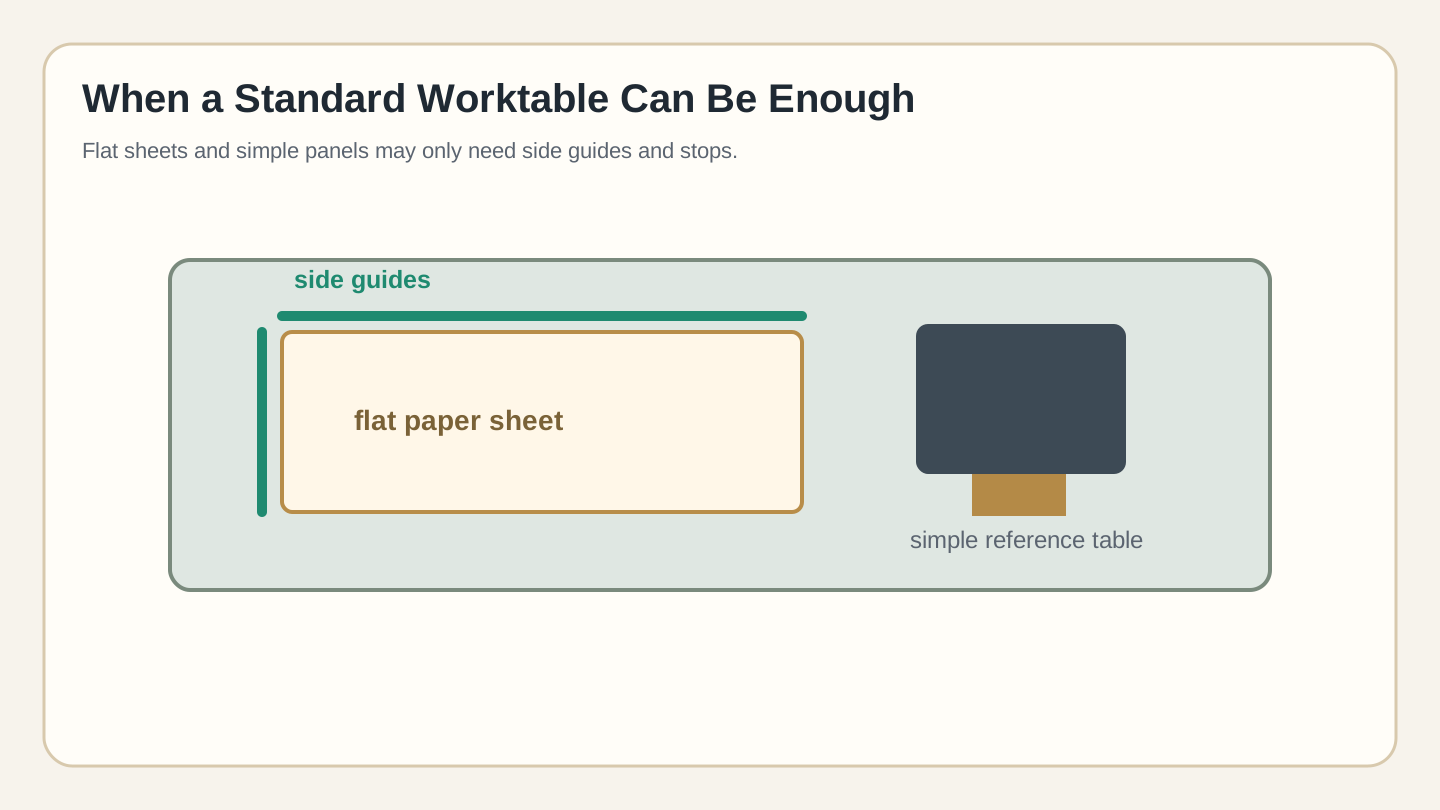
A standard worktable or flat positioning plate can be enough when the product is flat, regular, and easy to locate. Common examples include flat paper sheets, simple paperboard panels, unfolded carton blanks, rectangular labels, or flat box components before assembly.
It is also suitable for small batches where the position tolerance is not tight and the operator can use simple side guides, rulers, or mechanical stops. For large logos or simple foil areas, a basic table may support acceptable repeatability after testing.
Table length and width are only part of the fit check. The hot stamping machine work-envelope guide explains how the fixture footprint, die envelope, active transfer area, opening height, throat access, and loading path affect the usable machine specification.
However, flat products still need material testing. Laminated paper, coated paper, textured paper, and special substrates may behave differently under heat and pressure. A standard table can help with positioning, but it cannot solve foil release, adhesion, material deformation, or die design issues by itself.
Signs That the Problem Is Positioning, Not Only Machine Settings
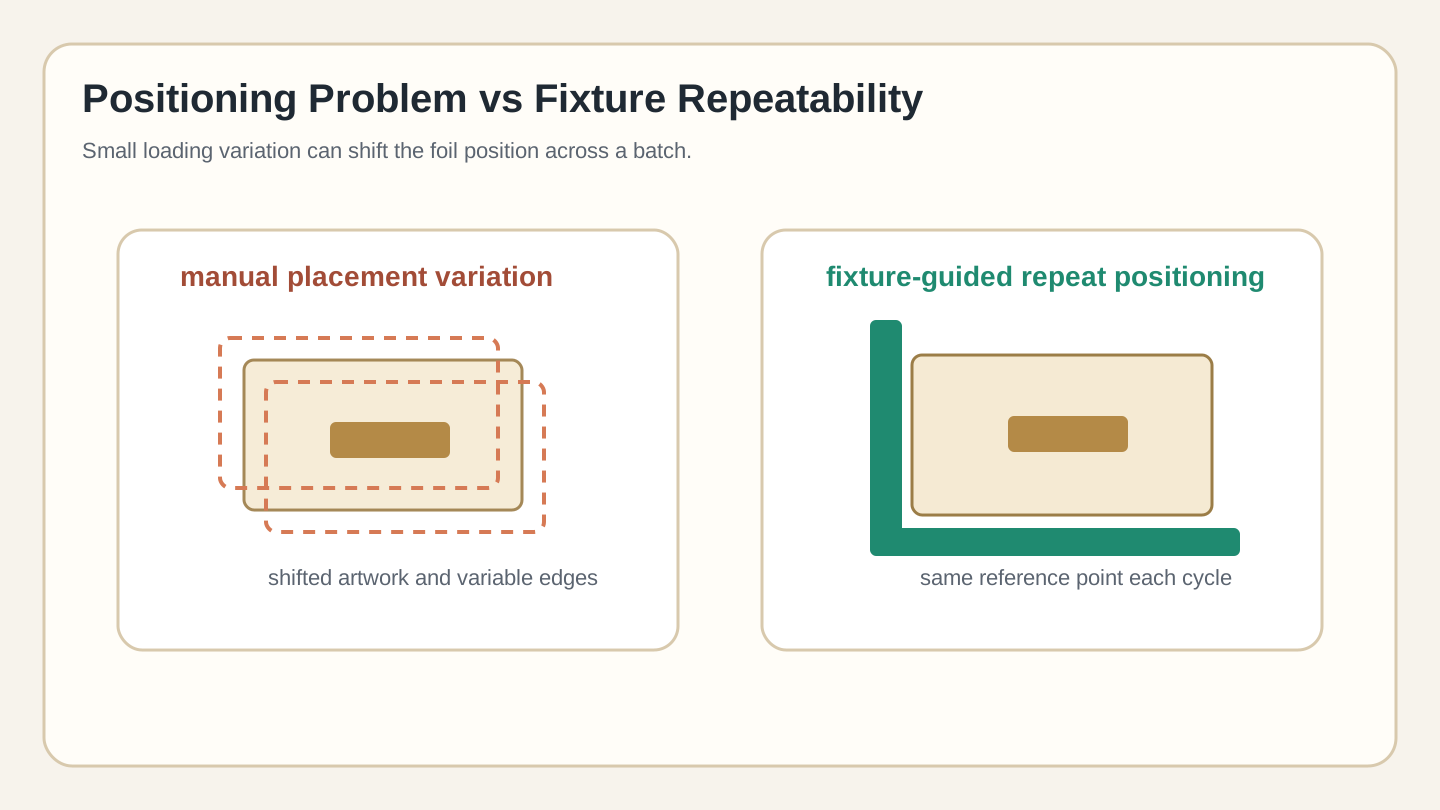
When a stamping result is unstable, buyers often ask whether pressure or temperature is wrong. These settings may need adjustment, but first check whether every product is presented to the die in the same way.
Typical signs of a positioning issue include foil marks shifting between pieces, samples that look correct at the beginning but drift during batch work, or results that change when a different operator loads the product. Fine lines, border frames, small logos, and artwork close to box edges make this variation more visible.
Another sign is uneven edge definition across the same design. If one side of the stamped area looks sharper than the other, the product may not be sitting flat, the stamping face may not be supported, or the die may be contacting the substrate at a slight angle. In this situation, simply increasing pressure can create new defects, especially on soft paperboard, laminated surfaces, or formed packaging.
When a Custom Fixture Becomes Necessary
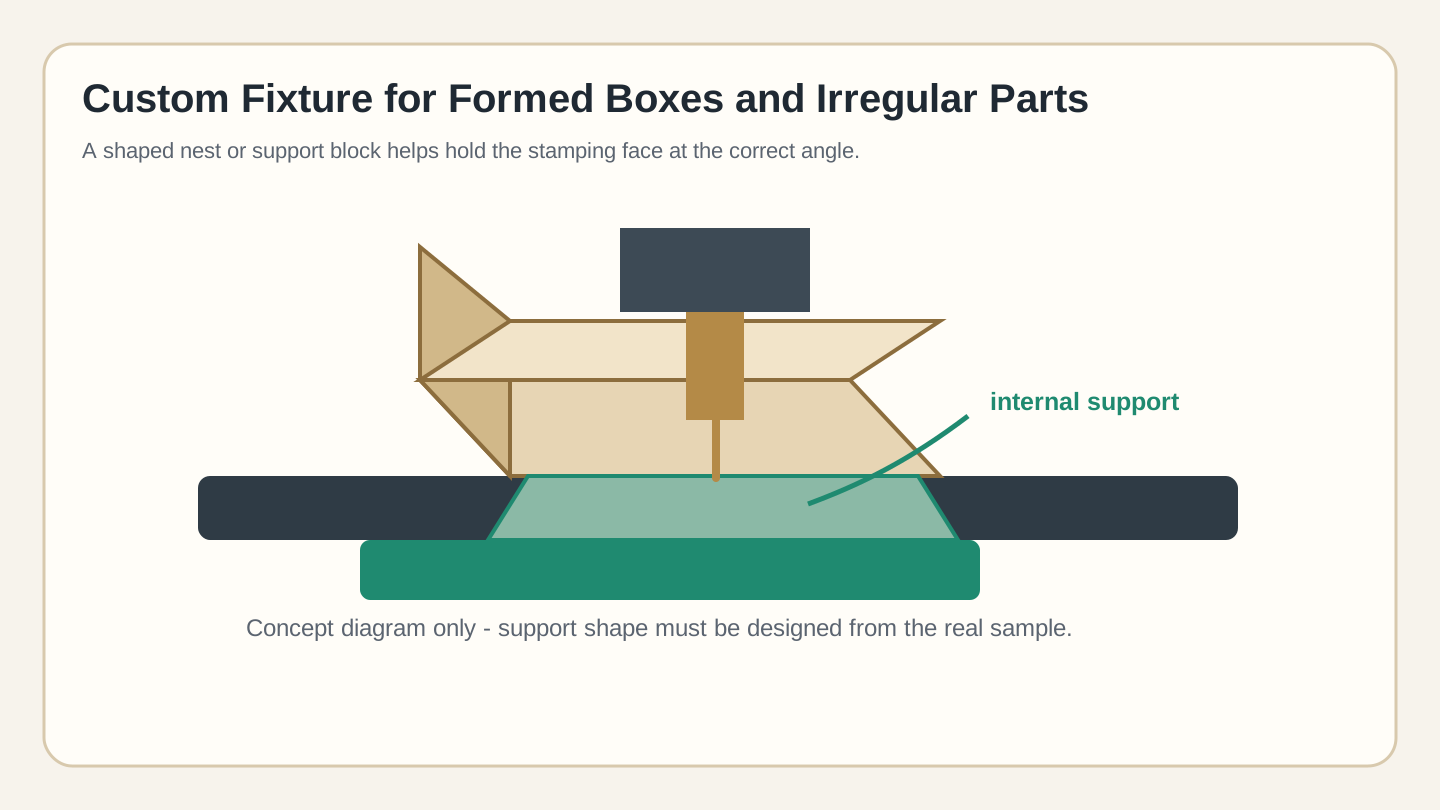
A custom fixture is usually needed when the product shape makes repeatable manual placement difficult. Formed rigid boxes, wine boxes, gift boxes, cosmetic boxes, and assembled paper boxes often need extra support because the stamping face may be higher than the worktable, close to an edge, or affected by the box structure.
Bottle caps, plastic caps, cylindrical parts, curved surfaces, and irregular plastic components are also strong candidates. They may need a nest, V-block, clamp, rotary support, shaped insert, or dedicated jig to keep the stamping area at the correct height and angle. One acceptable sample does not always mean stable batch production.
Multi-position hot stamping is another common reason. If one product requires stamping on several faces, several panels, or several locations with different datums, the fixture should help control registration. It reduces manual measurement and helps the operator move from one position to the next with less guesswork.
Custom fixtures are also useful when production volume increases. In a trial, an experienced operator may carefully align each piece by hand. In regular production, the process must be faster, easier to train, and less dependent on individual skill.
What Problems a Fixture Can Solve
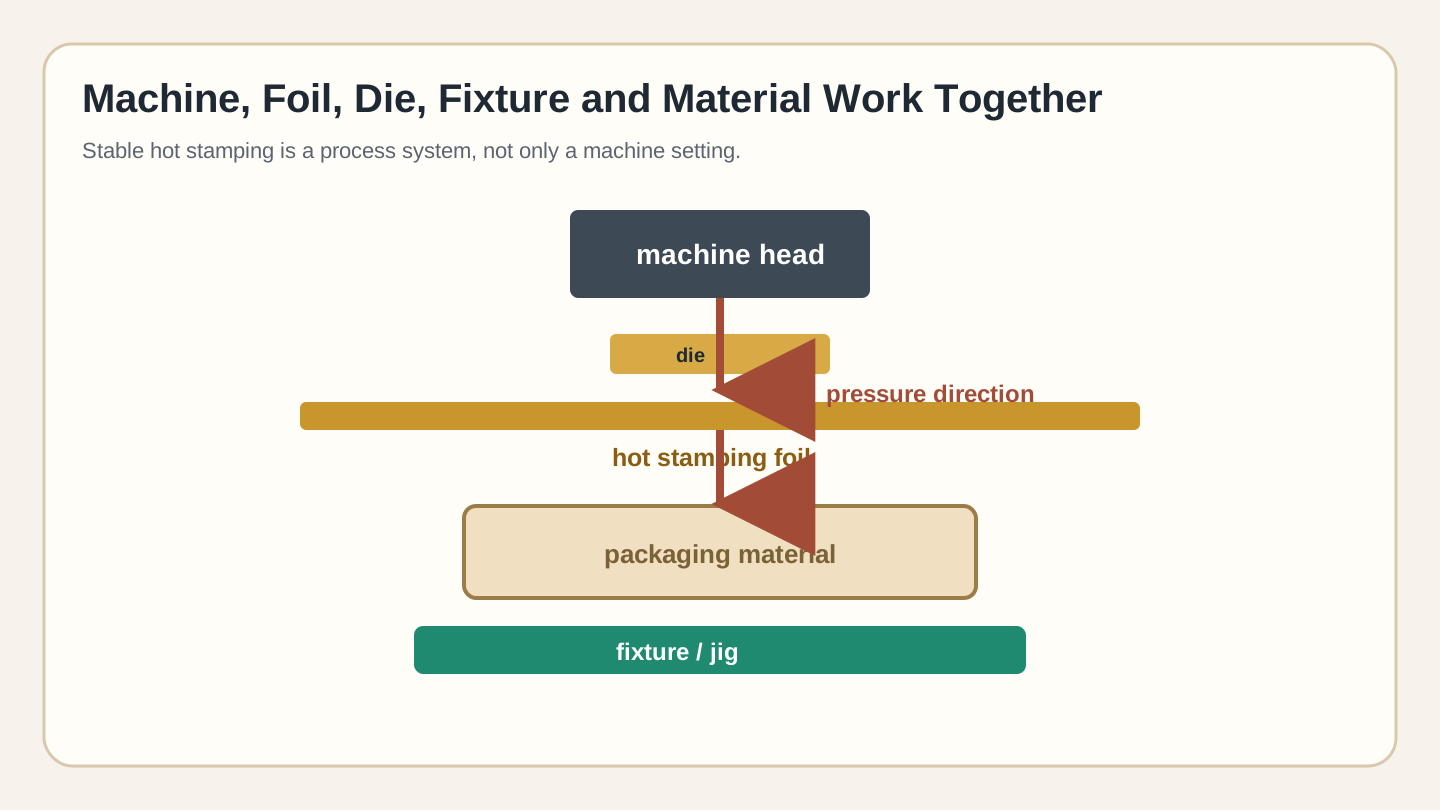
A well-designed fixture mainly solves four practical problems: loading speed, repeat positioning, product support, and operator dependency.
First, it reduces the time required to place each product. Instead of aligning every piece by eye, the operator loads the item against fixed guides, a shaped cavity, or a clear stop. Second, it improves registration by giving the product a repeatable reference point, so the stamping die meets the same area each time.
For equipment acceptance, use the PackFinish guide to registration accuracy and repeatability testing to define the product datum, sample order, measurement method, and allowable variation before judging fixture performance.
Third, it supports the substrate during stamping. Packaging products are not always flat and solid. A formed box may have hollow space behind the stamping face, a thin plastic part may flex, and a cap may rotate. The fixture can support the back side, limit movement, and help pressure act where it is needed. Fourth, it reduces reliance on operator experience, which supports training and batch consistency.
A fixture does not replace testing. It cannot make every foil work on every material, and it cannot correct an unsuitable die or incorrect foil selection. It works together with the machine, hot stamping foil, stamping die, pressure distribution, temperature setting, dwell time, and actual packaging material.
What to Provide Before Fixture Design
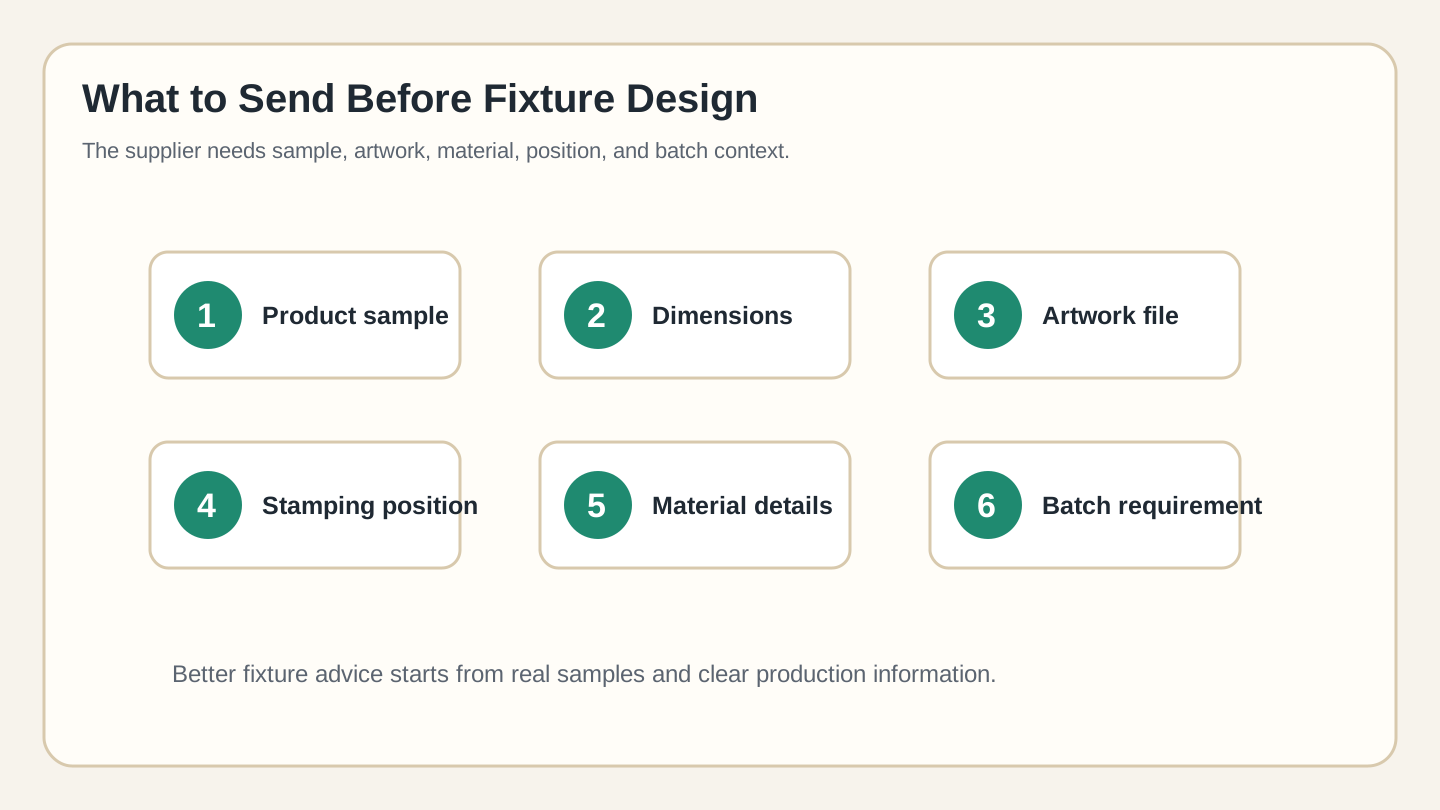
To evaluate whether a custom fixture is needed, the supplier needs more than a photo. Photos can show shape and appearance, but they cannot confirm stiffness, coating behavior, thickness variation, curved surface geometry, or how the product reacts under heat and pressure.
For the most accurate evaluation, provide physical samples. If samples are not available at first, provide dimension drawings, 3D files, or clear measurements. The supplier should know the product size, stamping face, edge distance, and whether the item is flat, curved, hollow, flexible, or already assembled.
The artwork file is also important. A large solid foil area creates different pressure requirements from fine lines or small text. A logo near an edge creates different positioning demands from a central design. If the product needs multiple stamping locations, mark each location clearly and explain the required sequence. Also share whether the project is for samples or repeated batch production.
Fixture Design Is Part of the Hot Stamping Solution
A custom fixture is not extra trouble. When the product is flat and simple, a standard worktable may be enough. When the product is formed, curved, irregular, multi-position, or repeatedly produced in batches, the fixture becomes part of the process design.
Fixture design should follow the required contact motion. The guide to flat, cylindrical, and curved hot stamping geometry explains why a flat top, rotating sidewall, and changing-radius surface cannot be treated as the same machine-and-tooling problem.
The best approach is to evaluate the product before choosing the machine setup. Send product samples, material details, artwork files, stamping positions, and production requirements. Packfinish can review whether a standard table is sufficient, whether a simple jig is enough, or whether a dedicated custom fixture should be designed for more stable packaging hot stamping.
FAQ
Do all packaging hot stamping projects need a custom fixture?
No. Flat paper sheets, regular panels, and simple box components may only need a standard worktable with side guides or stops. A fixture becomes more important when the product is shaped, assembled, curved, irregular, or requires tight repeat positioning.
Can a custom fixture fix poor foil adhesion?
Not by itself. A fixture can improve positioning and support, but foil adhesion also depends on the hot stamping foil, substrate, die, temperature setting, pressure, dwell time, and sample testing.
Is a fixture needed for rigid box hot stamping?
Often, yes. A formed rigid box may need internal or external support so the stamping face stays stable under pressure. The need depends on the box structure, stamping location, artwork size, and batch requirements.
What should I send for fixture evaluation?
Send physical samples whenever possible, along with product dimensions, artwork files, stamping position, material information, and expected batch quantity. For complex parts, 3D files or detailed drawings are helpful.
Send Product Samples for Fixture Evaluation
Send product samples to evaluate whether a custom fixture is needed. Include material, dimensions, artwork, target position, and batch requirements so the machine, foil, die, and fixture plan can be reviewed together.