
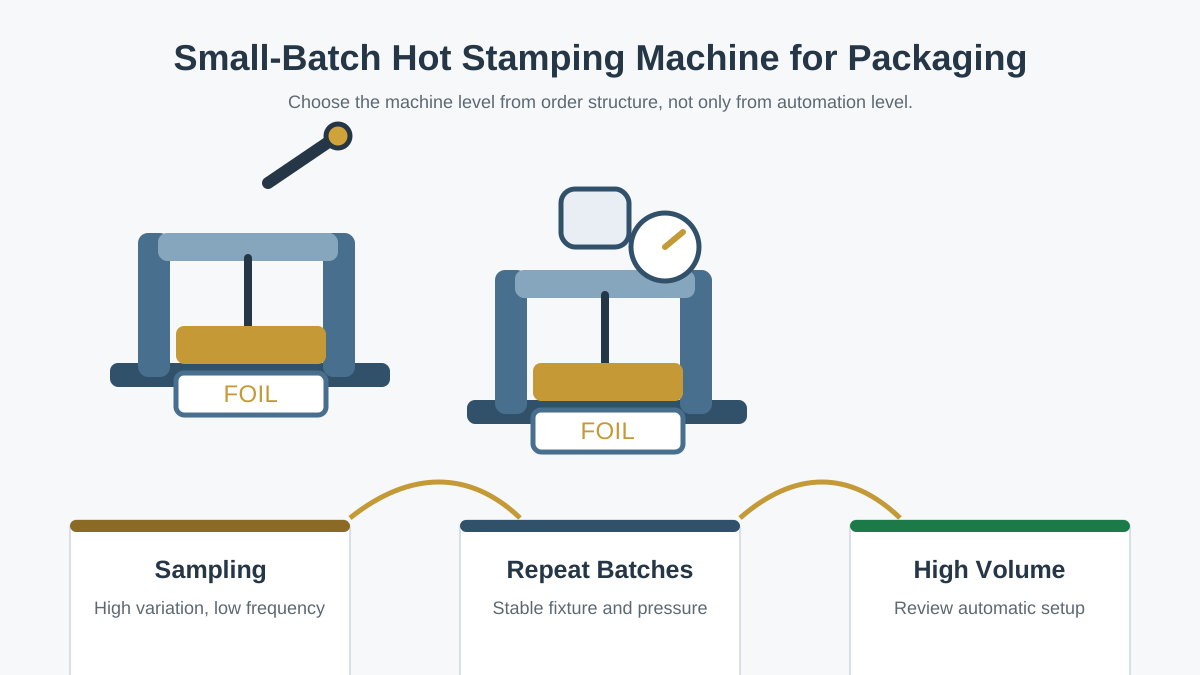
Not every small-batch buyer needs an automatic production line. For many packaging factories, sample studios, and custom gift box suppliers, the right hot stamping machine for packaging may be a manual or pneumatic model - especially when orders are unstable, product styles change often, and the daily pressure for output is moderate. Buying more automation than the order structure can support may increase cost, setup work, and operating complexity without solving the real production problem.
The practical question is not "manual, pneumatic, or automatic?" in isolation. The better question is: what type of machine matches the product material, stamping area, order volume, operator skill, changeover frequency, foil, die, fixture, and consistency requirement?
What Makes Small-Batch Packaging Hot Stamping Different
Small-batch packaging hot stamping is usually not a simplified version of mass production. It has its own production logic.
A packaging shop may handle many box styles in the same week: rigid gift boxes, wine boxes, paper boxes, coated paper sleeves, laminated surfaces, textured paper, or special custom samples. The order quantity may be limited, but the product variation is high. Logo size, stamping position, foil color, substrate surface, and customer artwork may change frequently.
This creates several practical conditions:
- Changeover time can matter more than running speed.
- Accurate positioning is still required, even when quantity is small.
- The stamping die and fixture must match each product shape.
- Operators may need to test foil release, adhesion, temperature setting, pressure distribution, and dwell time before confirming production.
- The customer may approve one sample first, then adjust the artwork or material.
In this situation, an automatic foil stamping machine for packaging is not always the most economical starting point. Automation is valuable when the product is stable, the order repeats, and the machine can run with limited changeover. When every job needs a new jig, different stamping position, or different substrate test, a smaller machine may provide better flexibility. For a broader comparison of manual, pneumatic, hydraulic, and automatic equipment, see PackFinish's hot stamping machine buyer guide.
When a Manual Hot Stamping Machine Is Enough
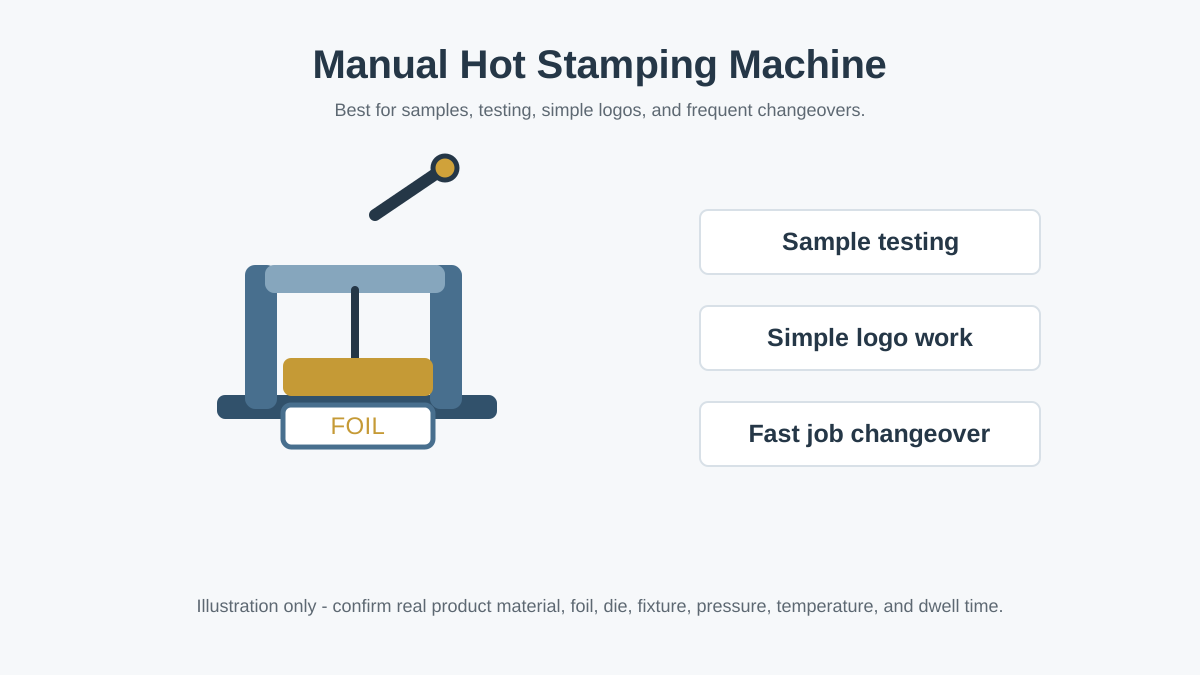
A manual hot stamping machine is suitable when the main purpose is sampling, testing, low-frequency production, or simple custom work. It is often used by packaging sample rooms, start-up packaging suppliers, small workshops, and factories that need a low-cost method to evaluate whether a material and design can be hot stamped.
Manual equipment can be enough when the stamping area is relatively simple, such as a small logo, short text, decorative line, or a limited-size brand mark. It is also useful when the operator needs to adjust the position carefully, test several foils, or compare results on different substrates before recommending a production solution.
For small custom orders, manual operation can be more practical than expected. The machine does not need a complex feeding system. Setup is usually straightforward. The operator can focus on registration, contact pressure, foil behavior, and the edge definition of the stamped pattern.
However, manual machines depend strongly on operator control. Pressure consistency, dwell time, and placement repeatability may vary if the process is not standardized. For this reason, manual equipment should not be chosen only because the budget is low. It should be chosen when the job type truly benefits from flexibility and when the required output and consistency are realistic for manual operation.
When a Pneumatic Hot Stamping Machine Makes More Sense
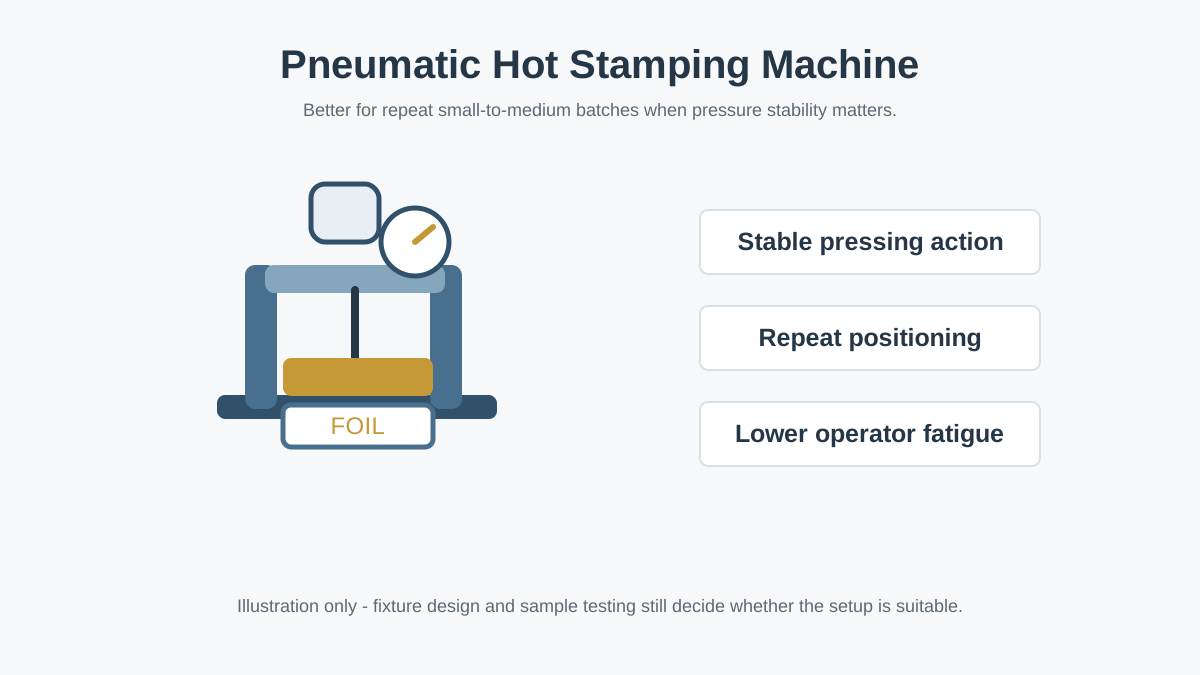
A pneumatic hot stamping machine is often a better choice for small-to-medium batch work, repeat orders, and packaging jobs that need more stable pressure than manual operation can provide. It is not the same as a fully automatic line, but it can reduce operator fatigue and improve repeatability in many packaging applications.
Pneumatic equipment is suitable when the same logo, box style, or stamping position appears regularly. For example, a gift box supplier may produce repeat batches of branded packaging, but the order size may still not justify a fully automatic system. A wine box manufacturer may need consistent logo stamping on a fixed position, but product changes may remain frequent enough that flexibility is still valuable.
The main advantage is controlled pressing action. With a suitable fixture or jig, pneumatic operation can help maintain more consistent pressure and dwell time from piece to piece. This is useful for laminated paper, coated paper, and rigid box surfaces where small changes in contact can affect foil transfer, edge definition, or large solid area coverage.
Pneumatic machines also help when operators need to handle repetitive work for longer periods. The process can be easier to standardize than fully manual pressing. Still, the final result depends on more than air pressure. The stamping die, foil release, temperature setting, substrate surface, positioning fixture, and operator setup all remain critical.
When a Hot Stamping Machine for Packaging Should Not Be Limited to Manual or Pneumatic
A manual or pneumatic hot stamping machine for packaging is not the best answer for every small factory. If the order structure is moving toward continuous production, fixed product specifications, and strict batch consistency, it may be time to consider a higher-level equipment configuration.
Manual or pneumatic equipment may become limiting when the factory has large repeat orders, long production runs, high labor cost, or strict delivery pressure. It may also be unsuitable when the product requires highly consistent registration across many pieces, frequent large solid area stamping, or integration with a more automated packaging production workflow.
Another warning sign is that operators spend too much time aligning each piece, correcting position, or sorting out inconsistent results. In such cases, the issue may not be solved only by buying a larger machine. The factory may need better fixtures, improved material control, a more suitable stamping die, or a different machine structure. But when the product and order are stable enough, automatic feeding, controlled positioning, and more repeatable operation may become worth the investment.
The goal is not to buy the most advanced machine. The goal is to avoid a mismatch between equipment level and order reality.
Do Not Choose by Machine Type Alone
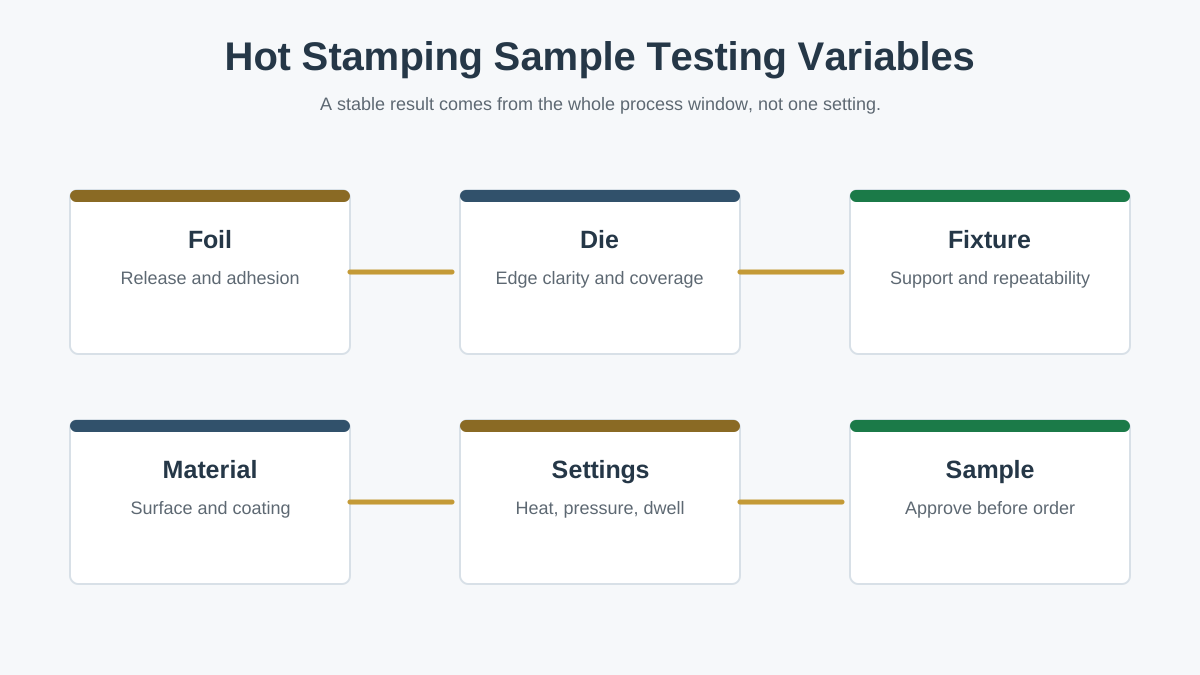
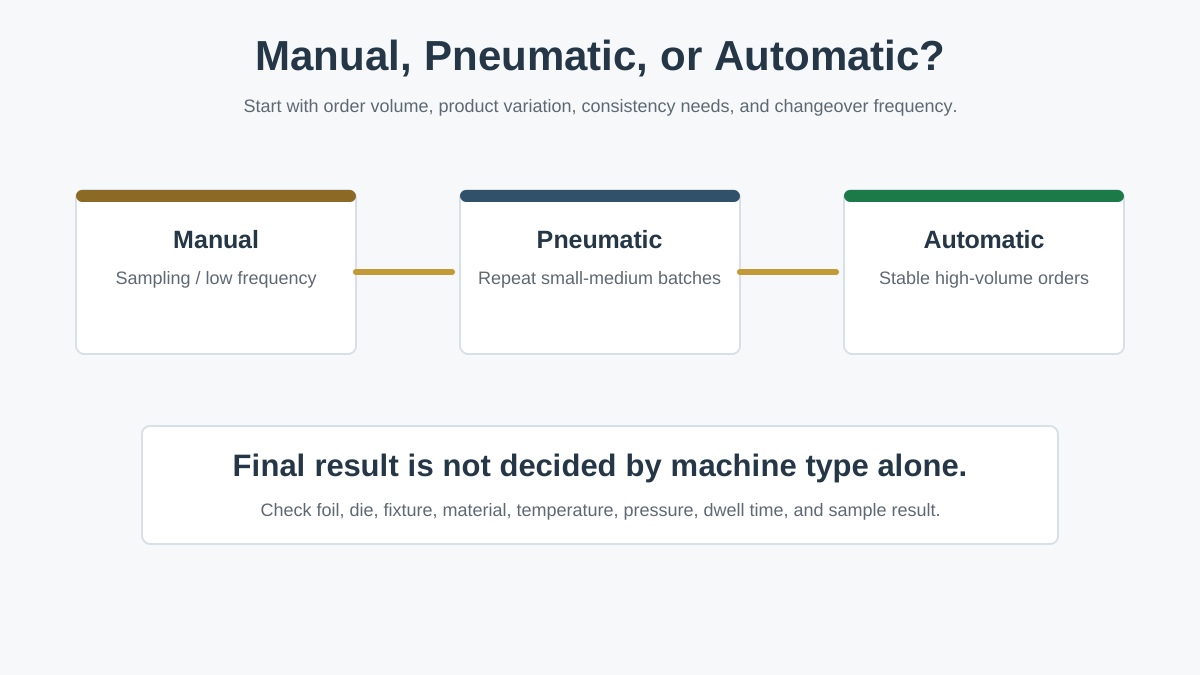
Hot stamping quality is not decided by the machine alone. A good result depends on the machine, hot stamping foil, stamping die, fixture, jig, packaging material, temperature setting, pressure distribution, dwell time, and operation method.
This is especially important for small-batch packaging because customers often bring different materials and expect quick confirmation. A photo of a box is not enough to judge whether the surface can be foil stamped. Laminated paper, coated paper, textured paper, dyed paper, and specialty surfaces can behave differently. Some materials require foil testing. Some need a different die surface, more accurate pressure distribution, or a fixture that supports the box correctly during stamping. If the material itself is still uncertain, review PackFinish's guide to what packaging materials can be hot stamped.
Before ordering a machine, the buyer should prepare practical information:
- Product type, such as gift box, wine box, rigid box, paper box, or paper card
- Material and surface finish
- Stamping artwork, logo size, line thickness, and solid area
- Stamping position and available support area
- Expected order volume and repeat frequency
- Required consistency level
- Available operator skill and production space
- Whether samples can be sent for testing
With this information, PackFinish can help judge whether a manual, pneumatic, hydraulic, or automatic machine direction is more appropriate. The answer may also include foil selection, die suggestions, fixture design, and sample testing before final confirmation.
Match the Investment to Your Order Structure
For small-batch packaging, buying a machine should not start from the highest level of automation. It should start from the order structure.
If you are deciding whether recurring foil-stamping work should stay external before comparing equipment, use PackFinish's in-house hot stamping versus outsourcing guide to review complete costs, process ownership, and pilot evidence.
If the work is mainly sampling, testing, and occasional custom stamping, a manual hot stamping machine may be enough. If the work includes repeat small-to-medium batches and the factory needs better pressure stability, a pneumatic hot stamping machine may be more suitable. If orders become stable, high-volume, and consistency-sensitive, the factory should review whether a more automated solution is justified.
The right investment protects cash flow, reduces unnecessary setup complexity, and keeps the production process flexible. More automation can be valuable, but only when the product, order volume, and repeatability support it.
Tell PackFinish your order volume, product variation, material, stamping artwork, and sample requirements. This helps avoid overbuying and makes it easier to select a packaging hot stamping solution that fits your real production work.
Need help matching the machine to your order structure?
Send PackFinish your product type, material, artwork size, stamping position, order volume, product variation, and available samples. A useful recommendation should confirm the machine direction together with foil, die, fixture, pressure, temperature, dwell time, and sample testing.
Request Hot Stamping Evaluation
FAQ
Is a manual hot stamping machine enough for packaging samples?
Yes, in many cases. A manual machine can be suitable for sampling, material testing, simple logo stamping, and low-frequency custom packaging work. The result still depends on foil, die, material, pressure, temperature, dwell time, and operator control.
Is a pneumatic hot stamping machine better than a manual one?
It is better for some jobs, but not all. Pneumatic equipment can provide more stable pressing action and reduce operator fatigue, which helps with repeat small-to-medium batches. Manual equipment may still be more practical for flexible testing and very low-volume work.
Should small packaging factories buy an automatic hot stamping machine?
Not automatically. Automatic equipment is more suitable when product specifications are stable, order volume is consistent, and changeovers are limited. For highly varied small-batch orders, manual or pneumatic equipment may be more flexible and economical.
Can PackFinish confirm the machine only from product photos?
Photos are helpful, but they are not enough. The material, surface finish, stamping area, foil, die, fixture support, and test result all affect the final decision. Sample testing is recommended before confirming the equipment direction.