
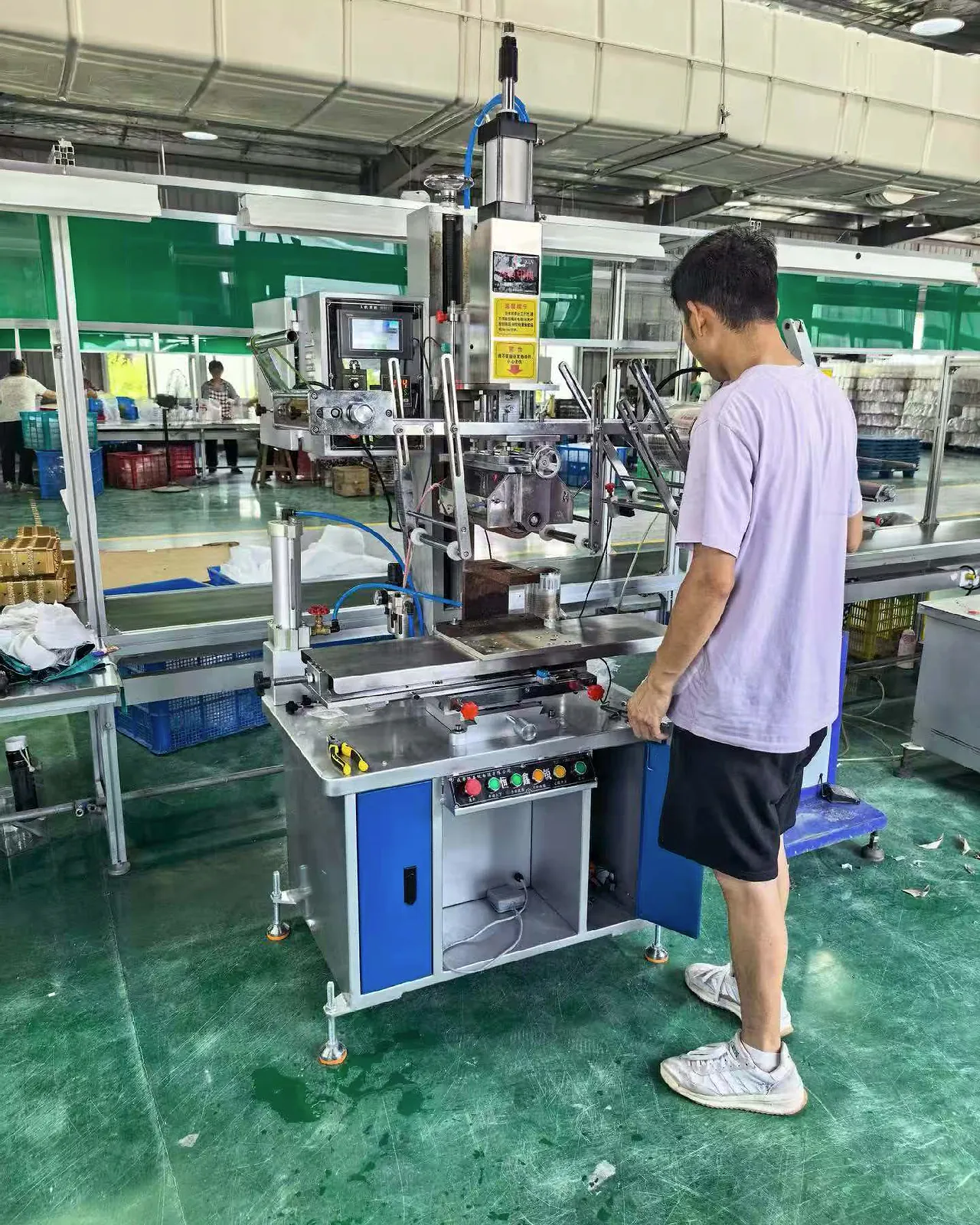
Buying packaging finishing equipment is not the same as choosing a press from a catalog photo. A useful hot stamping machine buying process must confirm whether the complete setup can create the required appearance on the actual product, at the expected output level, with repeatable positioning and a practical operating method.
The machine, hot stamping foil, stamping die, fixture or jig, substrate, temperature, pressure, dwell time, loading method, and operator all affect the result. This guide organizes those variables into six buyer checkpoints, from the first application brief to the pre-delivery review. Buyers who still need a broad equipment comparison can first read the PackFinish machine-selection guide.
A packaging equipment purchase is a process decision
Two boxes that look similar in a photograph may behave differently during hot stamping. A laminated paper surface can require different foil release and process settings from coated or textured paper. A rigid box lid may need internal support, while a flat paperboard blank may need a different positioning method. Fine lettering and large solid areas also place different demands on die detail and pressure distribution.
The first question is therefore not “Which model looks suitable?” It is “What product, material, artwork, stamping position, acceptance standard, and production pattern must the process handle?”
Step 1: Define the product and production requirement
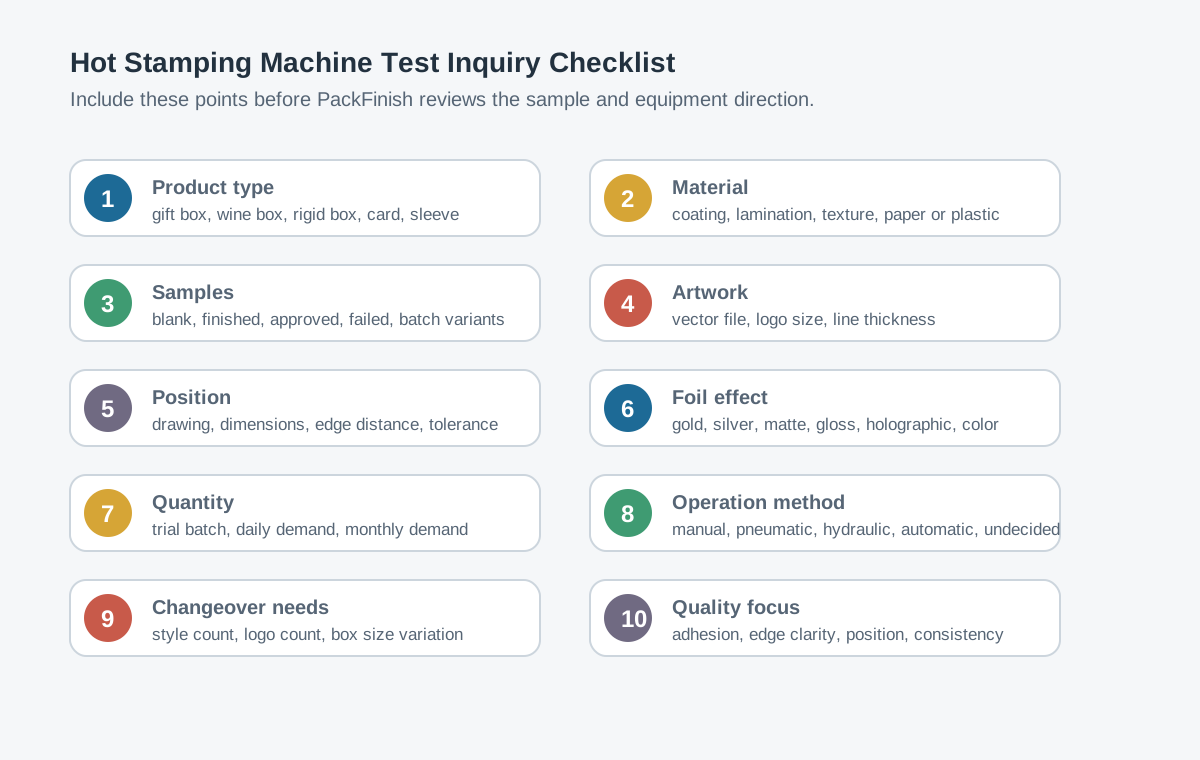
Start by turning the inquiry into a short technical-commercial brief. Useful information includes:
- product type, substrate, coating, lamination, texture, and surface treatment;
- artwork size, desired color and gloss, coverage, and edge-definition requirement;
- stamping location, part geometry, and whether the product is flat, assembled, curved, or recessed;
- expected batch pattern, changeover frequency, operator involvement, and desired automation level; and
- budget direction plus floor-space, utility, safety, and workflow constraints.
Budget should not replace process feasibility. A lower-cost setup that cannot support the part or distribute pressure evenly can create waste and adjustment work. A highly automated line can also be excessive for low-volume products with frequent design changes.
Step 2: Confirm physical samples, dimensions, and artwork
Physical samples reveal details that drawings and photos miss, including surface friction, compressibility, coating behavior, seams, folds, recesses, and hidden structural support. Whenever possible, provide the actual product or representative material, dimensions, vector artwork at final size, a marked stamping position, and a target-effect reference.
Also define what will be inspected: positioning tolerance, edge clarity, solid-area coverage, adhesion, surface marking, and acceptable product variation. When the final product is unavailable, material sheets, structural drawings, prototypes, and reference samples can support an initial review, but the recommendation remains provisional until the intended substrate and product structure are tested. The sample-preparation checklist explains what to send.
Step 3: Decide whether hot stamping is the right process
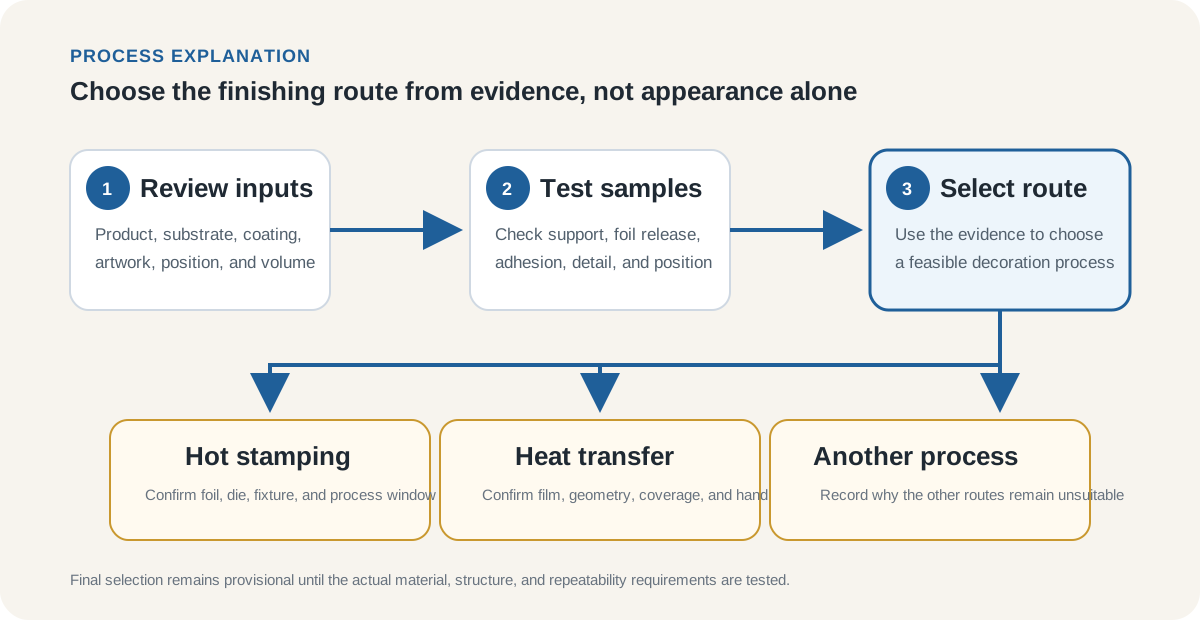
Not every metallic or decorative appearance should automatically be specified as hot stamping. The correct route depends on the substrate, geometry, graphic coverage, durability requirement, color effect, and production method.
Hot stamping may fit when the selected foil can transfer and adhere to the real surface while the product is supported under controlled heat and pressure. Heat transfer may suit certain transfer-film graphics or coverage requirements. Another decoration method may be more appropriate when material response, shape, or artwork makes stable foil transfer impractical. Compare the visible effect and tooling logic in the guide to hot stamping versus heat transfer for packaging.
Step 4: Configure the complete hot stamping system
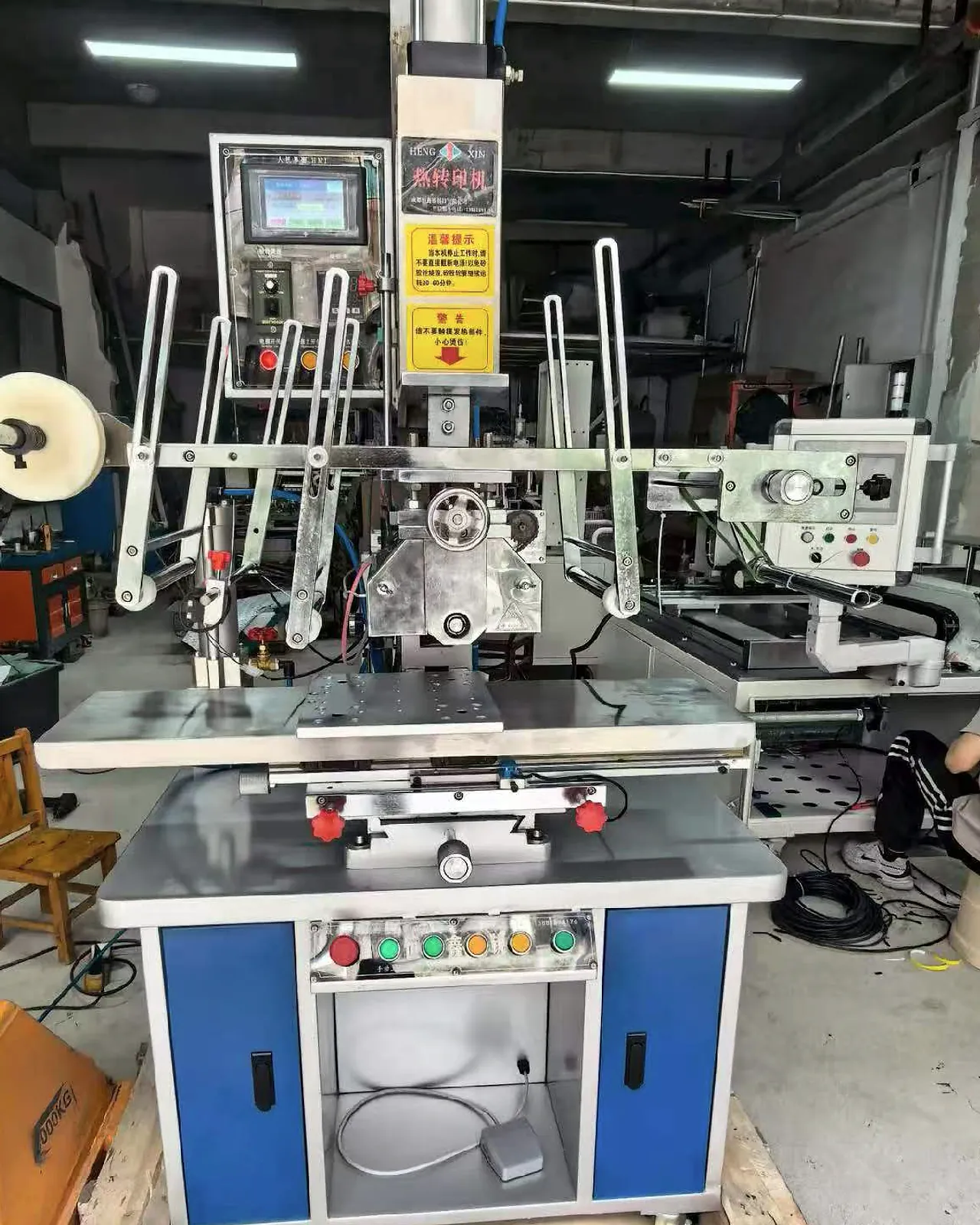
Once tests indicate that hot stamping is suitable, match the machine level to stamping area, pressure requirement, positioning method, output target, loading method, and operator involvement. The comparison of manual, pneumatic, hydraulic, and automatic machines helps separate flexibility from output needs.
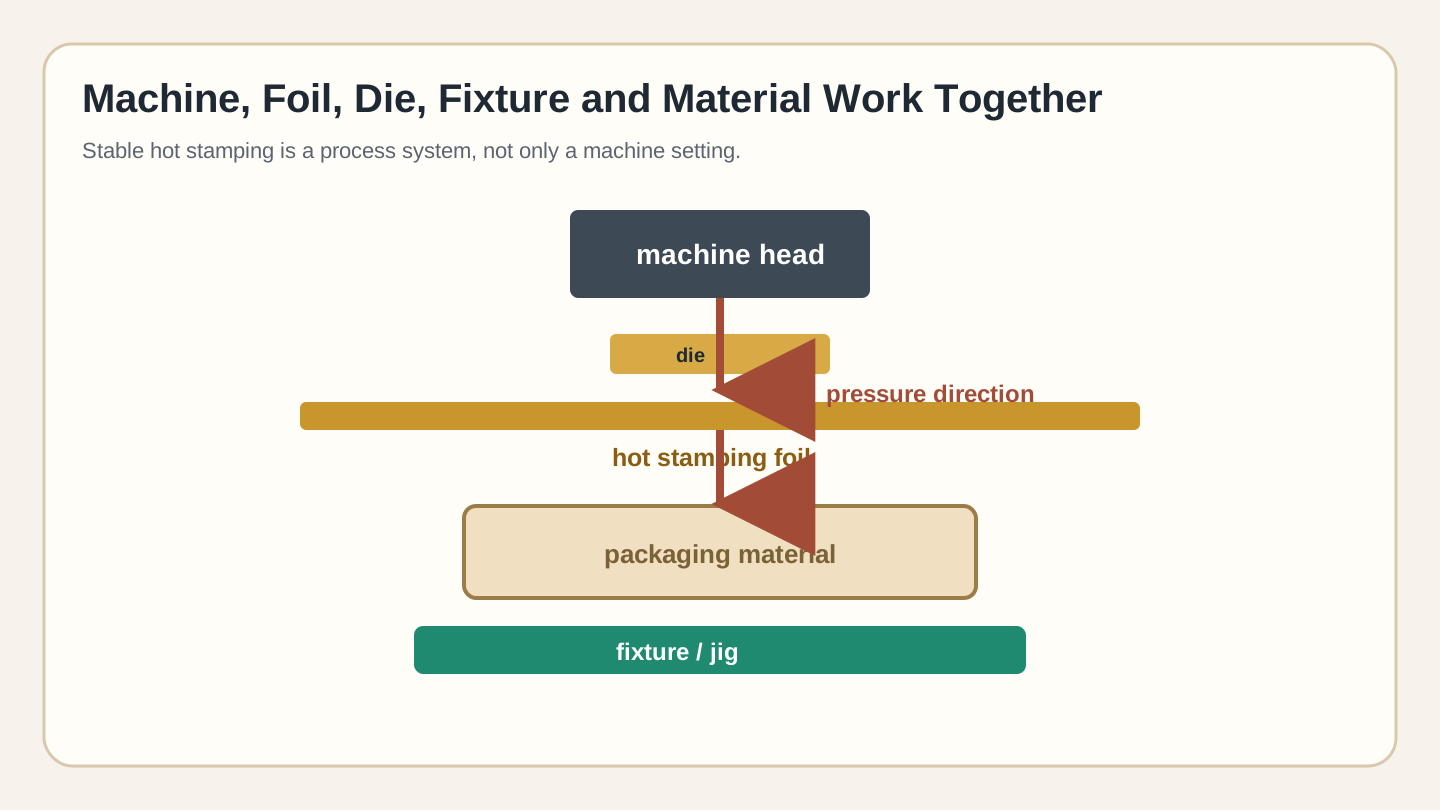
The supporting components remain equally important:
- Stamping die: matched to artwork detail, coverage, and heat transfer.
- Fixture or jig: locates and supports the real product without movement or damage.
- Hot stamping foil: matched to the substrate, visual target, release, and adhesion.
- Operating method: defines loading, registration, cycle control, inspection, and changeover.
- Test plan: covers fine lines, solid areas, edge definition, distortion, and positioning.
A machine recommendation is therefore a system recommendation. Selecting the press without resolving the die, foil, fixture, substrate, and operating sequence leaves the highest-risk variables open. See the detailed guide to foil, dies, and fixtures for the tooling relationship.
Step 5: Test, record, and review repeatability
A useful test is not only proof that foil transferred once. It should show how the process responds to controlled adjustments and whether the result can be repeated across several pieces.
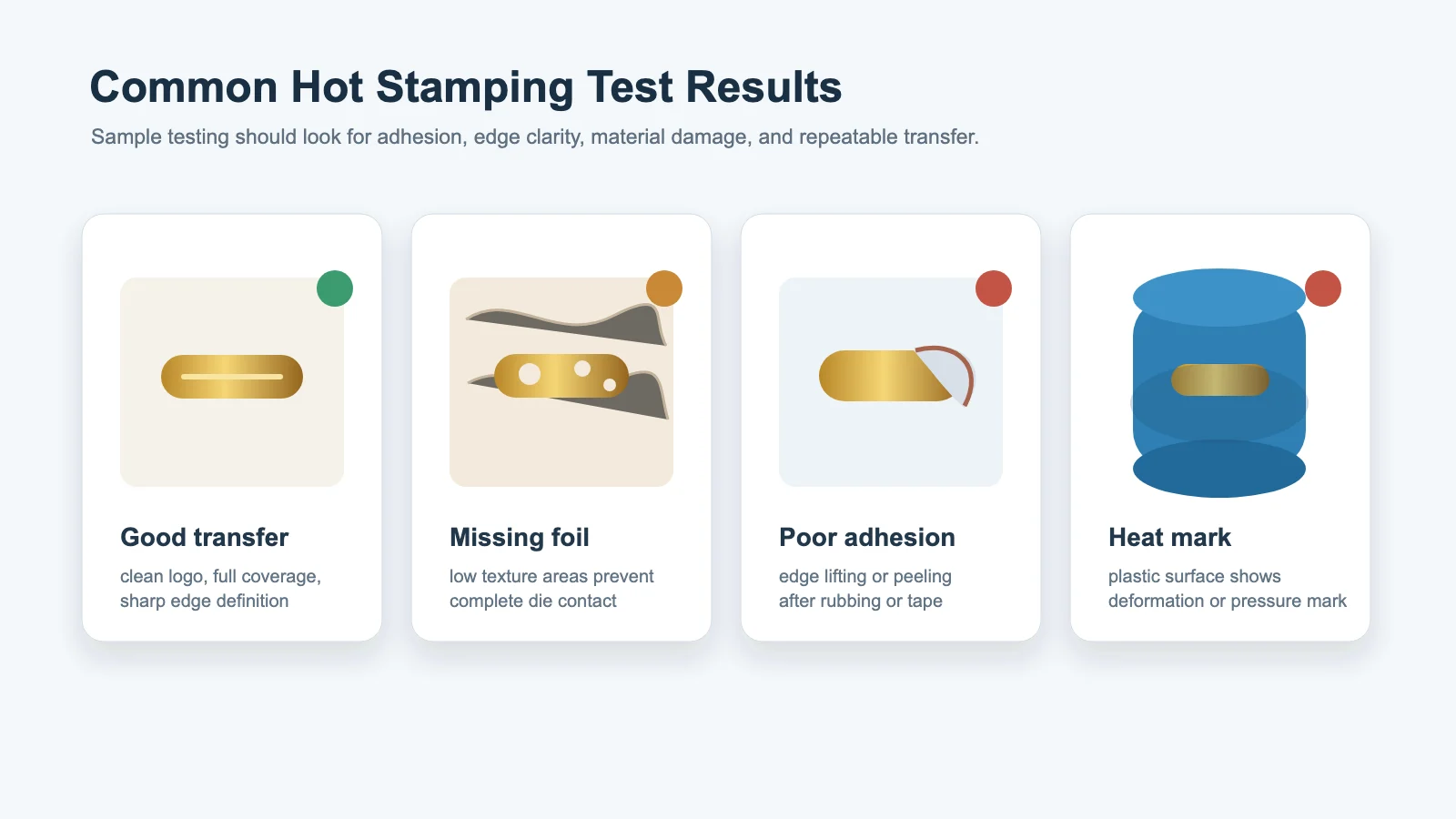
Review foil release, adhesion, edge definition, fine-line clarity, solid-area coverage, registration, surface marking, and product deformation. Change one variable at a time so the result can be interpreted. Record the material batch, foil reference, die, fixture, temperature, pressure, dwell time, loading method, and visible result.
Use the inspection categories below to review actual samples against the agreed acceptance criteria. If defects appear, use the guide to missing foil, blurred edges, poor adhesion, and alignment problems to organize the diagnosis.
Step 6: Confirm the delivery scope before dispatch
Before dispatch, confirm what is included and what remains the buyer's responsibility. The written checklist should cover the machine configuration, utility requirements where applicable, die and fixture scope, approved sample reference, foil identification, operating documents, and any agreed test record or operation video.
Also confirm packing and shipping information, receiving conditions, installation expectations, training arrangements, consumables, wear-part planning, and the communication channel for after-sales questions. These are points to verify in the order and handover documents, not unconditional standard inclusions.
Who this buying process is best suited for
This workflow is most useful for buyers who have a defined product and can share samples, drawings, artwork, material information, finishing positions, and production requirements. Clear application information supports a more useful equipment and tooling review.
It does not mean every product can be hot stamped or every target effect can be guaranteed. It means the decision can be based on real materials, controlled testing, documented process variables, and a configuration that reflects the buyer's production conditions.
Frequently asked questions
Can a machine be selected from product photos alone?
Photos support an initial review, but they do not confirm substrate behavior, foil adhesion, product support, or repeatability. Physical samples or representative materials are preferred before a final recommendation.
What should a buyer provide for evaluation?
Provide the product or material sample, dimensions, vector artwork, marked finishing position, target-effect reference, expected production volume, and positioning or automation requirements.
Why is sample testing necessary before ordering?
Testing shows whether the foil, die, fixture, substrate, settings, and loading method can work together. It also reveals risks that drawings and photographs may not show.
Does the machine determine final hot stamping quality?
No. The result depends on the machine, foil, die, fixture, substrate, temperature, pressure, dwell time, positioning, and operator method.
What if hot stamping is not suitable?
Reassess the process. Depending on the material, geometry, artwork, and target effect, heat transfer or another surface-decoration method may be more appropriate.
Prepare a useful inquiry
Send samples, drawings, and finishing requirements
Include the product material, artwork, stamping position, target effect, expected output, preferred automation level, and any acceptance or delivery constraints.