Cap-top hot stamping
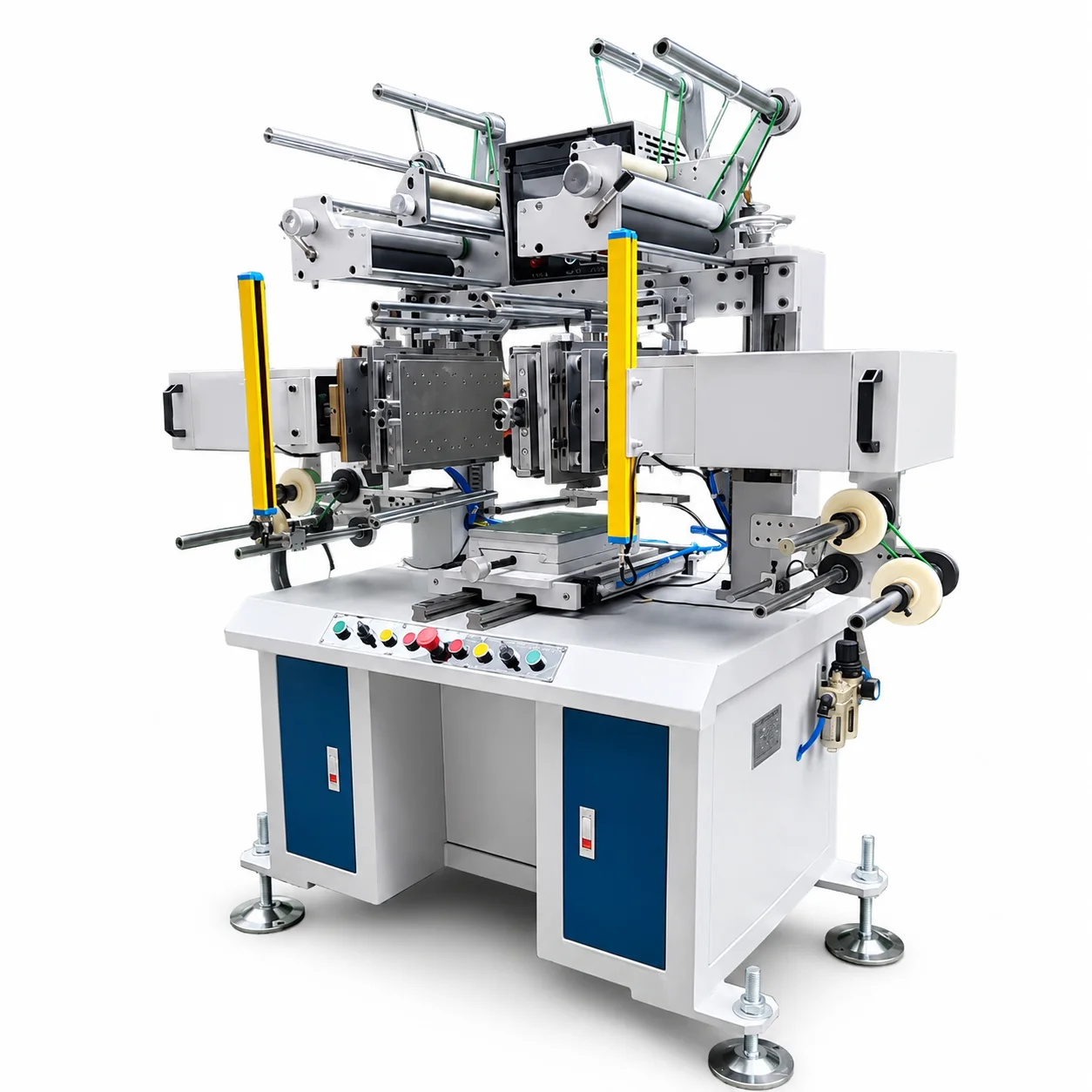
A practical route for metallic logos or small marks on a stable top surface. Confirm foil adhesion, heat response, cap support, and edge definition with representative samples.

Bottle & closure decoration
Choose a bottle decorating machine for cap-top logos or sidewall graphics. Compare hot stamping, heat transfer, fixtures, and manual, indexed, or automatic loading for caps and closures.
Start with the decoration zone
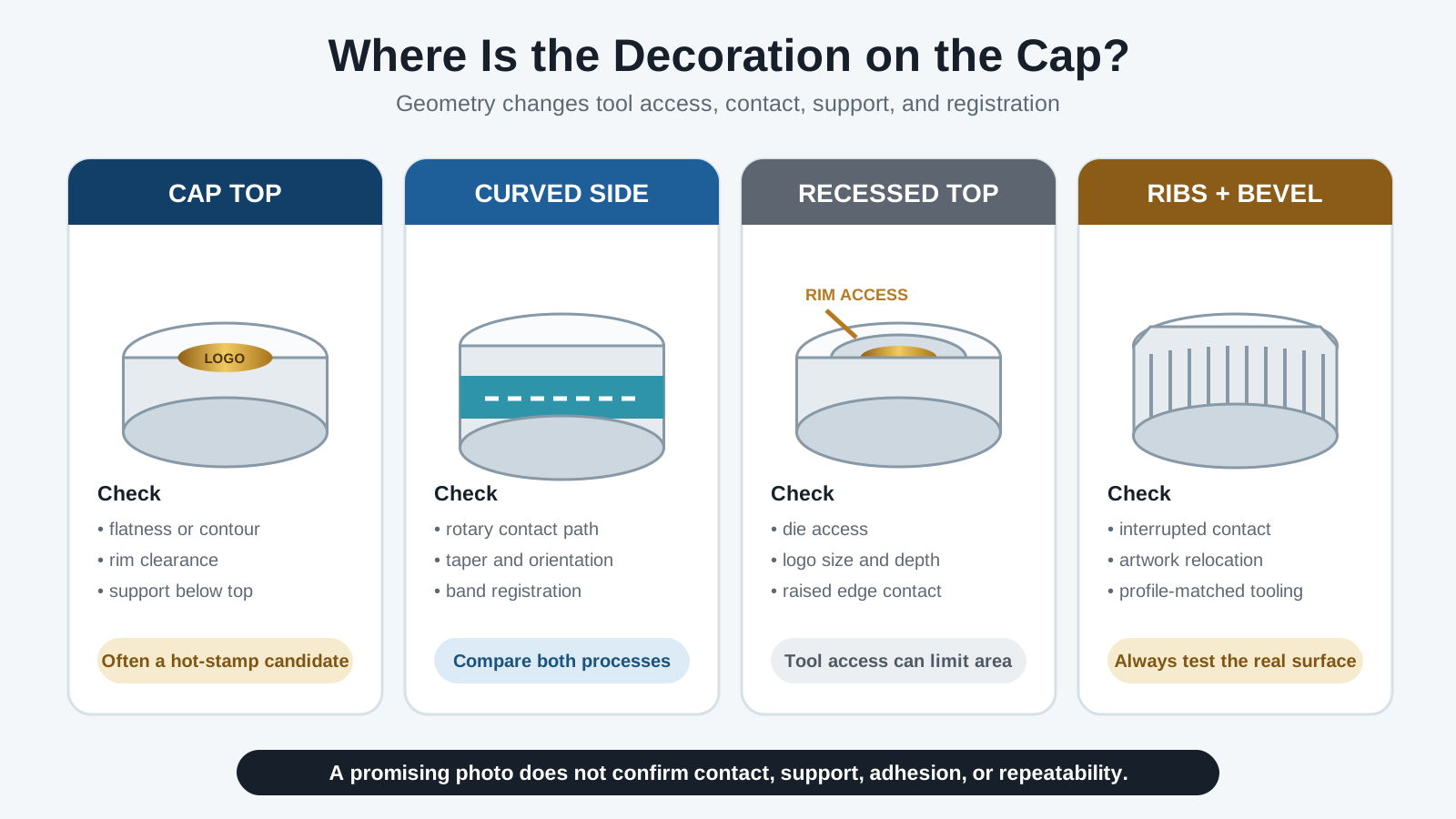
Bottle decorating machines are not one universal equipment type. A flat logo on a cap top can use a different stamping head and fixture from a graphic that wraps around a cylindrical closure. Taper, ribs, texture, parting lines, coating, and wall stiffness can change the machine route and sample result.
Machine routes
A practical route for metallic logos or small marks on a stable top surface. Confirm foil adhesion, heat response, cap support, and edge definition with representative samples.
A stronger starting route for a wider graphic or decorative band around a cylindrical surface. Confirm taper, wrap angle, film registration, rotation, and the usable contact path.
A route to evaluate after the cap, foil, artwork, orientation, and stamping result are stable. Feeding, positioning, tooling, controls, inspection, and the target cycle must be defined as one line scope.
Review the automatic cap machine updateReplaceable fixtures can locate different cap sizes and prevent tilt or rotation. Output targets decide whether manual loading, indexed loading, or a more automated feed should be evaluated.
Machine comparison
This matrix is a starting point, not a specification sheet. The final machine, fixture, tooling, loading, utilities, output, and acceptance scope depend on representative products and artwork.
| Machine route | Best starting fit | Loading and motion | Evidence required |
|---|---|---|---|
| Cap-top hot stamping | Metallic logo, short text, emblem, or another defined mark on a supported top surface | Manual, indexed, or automatic loading with vertical contact after fixture review | Caps, foil target, artwork, top geometry, adhesion check, and acceptable edge quality |
| Sidewall heat transfer | Wider printed graphic, decorative band, or detailed image on a cylindrical surface | Controlled rotation or guided contact through the usable wrap angle | Cap taper, ribs, parting lines, artwork width, transfer construction, and registration target |
| Automatic cap hot stamping line | Repeated production after the decoration process and cap orientation are proven | Feeding, orientation, positioning, stamping, transfer, unloading, and inspection as one line | Cap range, hourly target, batch variation, orientation feature, utilities, and acceptance criteria |
| Flexible fixture-based setup | Smaller batches, several cap sizes, or projects that need controlled changeover | Manual or indexed loading with replaceable nests or inserts | Full size range, changeover frequency, locating surfaces, and required repeatability |
Specification checklist
PackFinish does not publish one universal size, speed, or electrical specification for this route. Confirm the product range, decoration area, process, handling, tooling, utilities, target output, and acceptance test against the actual project before comparing quotations.
| Suitable products | Bottle caps, plastic closures, cosmetic caps, and similar small molded parts after geometry and sample review |
|---|---|
| Decoration processes | Cap-top hot stamping or cylindrical sidewall heat transfer after artwork, surface, and effect review |
| Loading options | Manual, indexed, or automatic handling after output, orientation, and changeover requirements are defined |
| Cap or product size range | To be confirmed |
| Maximum decoration area | To be confirmed |
| Foil or transfer-film width | To be confirmed |
| Target working speed | To be confirmed |
| Voltage and power | To be confirmed |
| Air pressure requirement | To be confirmed |
| Fixture, die, and change parts | To be confirmed |
| Machine dimensions and weight | To be confirmed |
| Lead time and acceptance test | To be confirmed |
Application scope
The current PackFinish bottle decorating route is strongest for cap tops, cylindrical closure sidewalls, cosmetic caps, and similar small molded parts. A full bottle-body project may need a different support, rotation path, contact width, and loading system even when it uses the same foil or transfer process.
Send the complete decorated part rather than only the closure name. PackFinish can then separate a cap-specific machine review from a bottle-body or small-container review without treating them as the same standard configuration.
Machine evidence
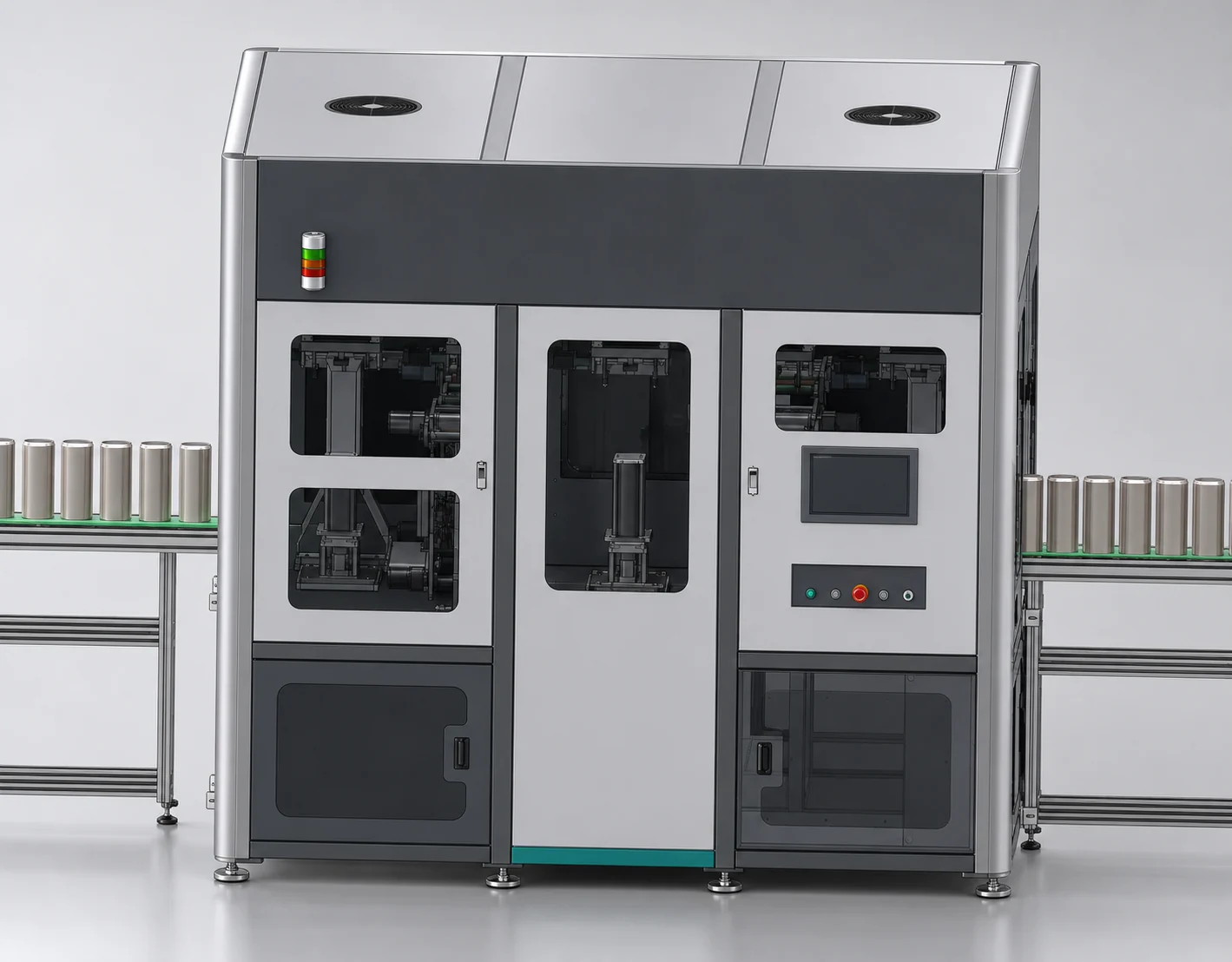
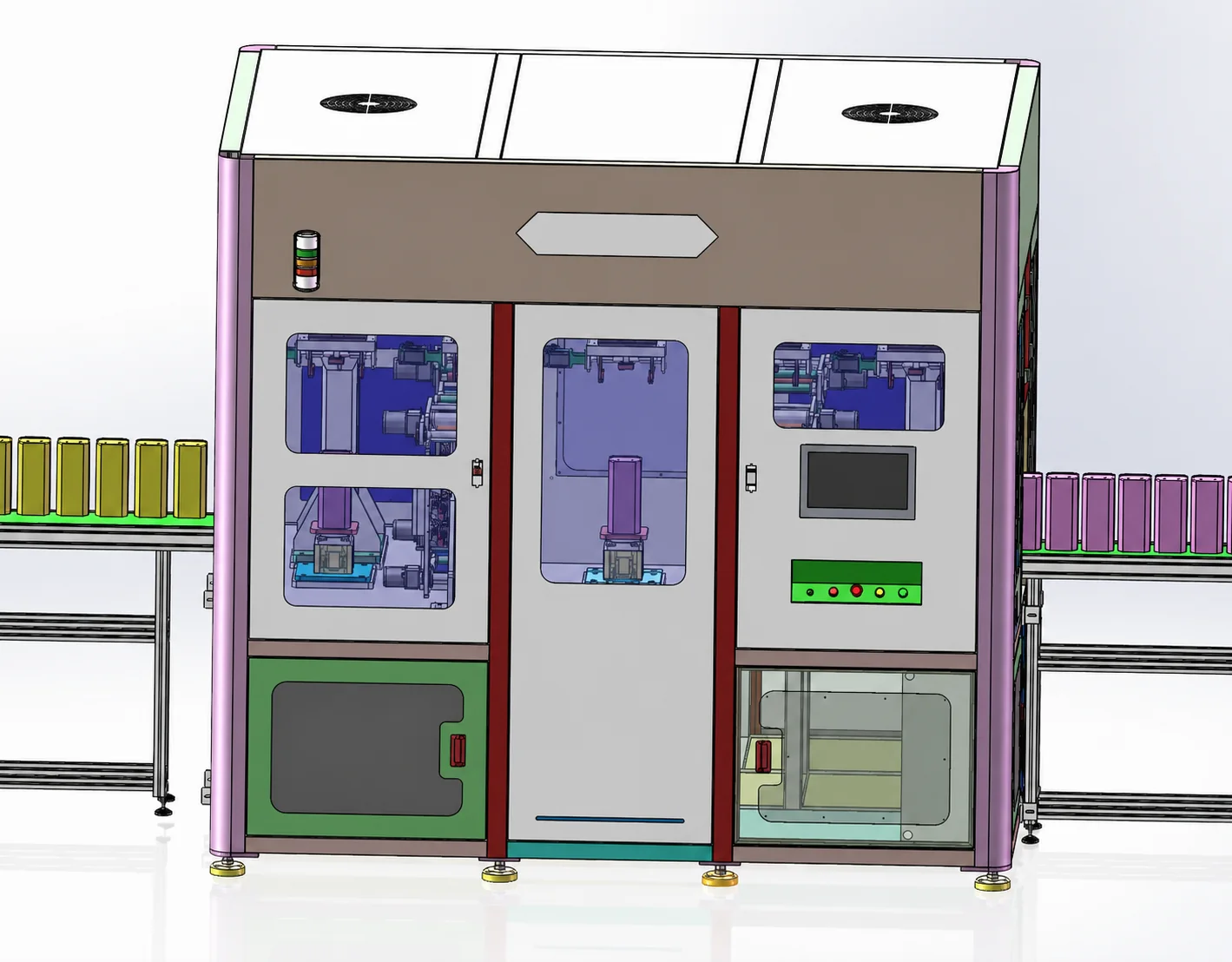
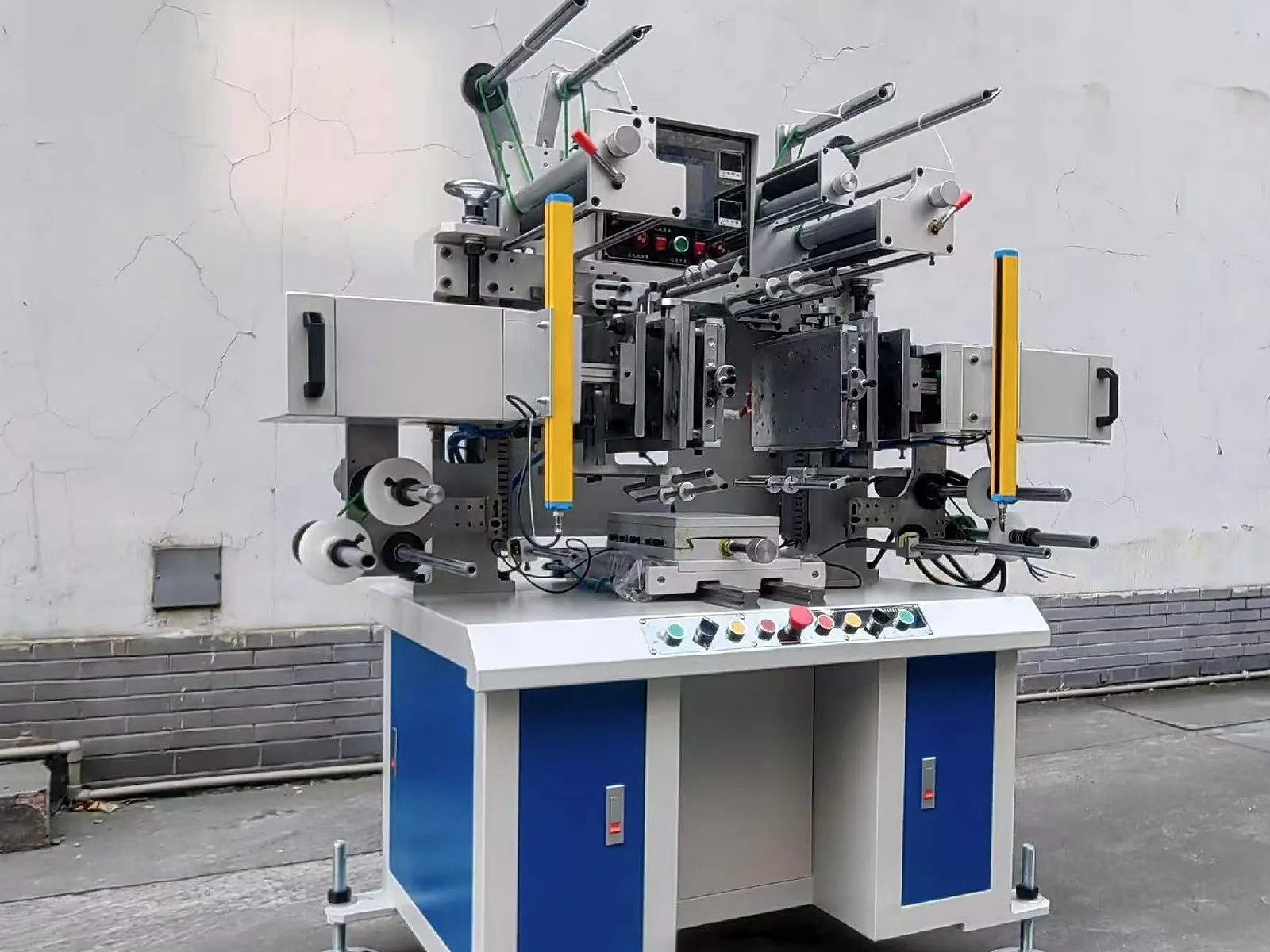
Use these views to discuss enclosure, conveying, tooling access, controls, and transfer-machine structure. Final specifications and production acceptance still require a project-specific review.
Related guidance
The guides explain process trade-offs and sample preparation. The commercial project brief is where your cap range, artwork, output, fixture, voltage, and quotation scope are reviewed together.
FAQ
A flat or compliant hot stamping setup is a common starting point when the cap top provides a stable decoration zone. The cap material, top geometry, artwork, fixture, and foil still need sample testing.
A rotary or guided heat transfer process is often the better starting route for a wider sidewall graphic. The usable wrap angle, taper, ribs, parting lines, and artwork width must be reviewed first.
It may handle a family of cap sizes when the motion range and tooling allow it, but each size normally needs a suitable fixture or replaceable insert. Send the full size range before quotation.
PackFinish has an enclosed automatic bottle cap hot stamping platform under development. Feeding, orientation, tooling, target output, controls, inspection scope, and acceptance criteria still need confirmation against real caps before a final machine proposal.
Do not assume so. A bottle body and a cap can require different support, rotation, contact width, loading, and decoration motion. Send the actual bottle or closure, dimensions, material, artwork, and marked decoration zone so each route can be reviewed separately.
Send cap samples, top and side photos, dimensions, material and surface treatment, artwork at actual size, decoration position, required output, voltage, and destination country.
Machine inquiry
Tell us your product, material, decoration area, and expected output. The guided project brief helps us evaluate the process, fixture, and machine direction together.